
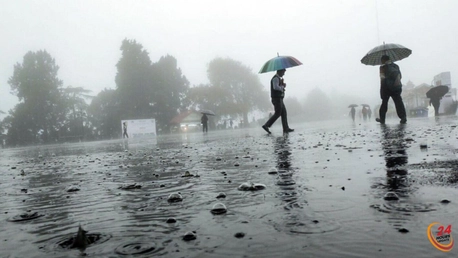
The Tamil Nadu coast has been officially put on a heavy rain alert, which has led to strong warnings from meteorological experts and emergency management teams. The rain alert comes as weather systems in the Bay of Bengal get stronger, which raises worries about possible flooding, waterlogging, and delays in travel and operations along the coast. As the rain alert gets stronger, people and officials in many districts are getting ready for a lot of rain in the next few days.
The early announcement of the “rain alert” should help coastal communities take the right safety steps, but the changing weather pattern needs to be watched all the time.
Rain Alert for Tamil Nadu Coast – Latest Updates
The India Meteorological Department (IMD) sent out a “rain alert” late Tuesday night because a low-pressure system is forming and is expected to move toward the Tamil Nadu coast. The IMD says that the “rain alert” predicts moderate to heavy rain across most coastal districts, with some areas likely to see very heavy rain.
The “rain alert” says that Chennai, Chengalpattu, Cuddalore, Mayiladuthurai, Villupuram, and Nagapattinam are some of the districts that are most at risk. Meteorologists think that the weather system might get stronger in the next 48 hours, which makes the rain alert very important for people who live in areas that are low-lying or prone to flooding.
To keep an eye on the system’s movement, officials are always updating satellite readings, wind patterns, and atmospheric pressure. The IMD said that the “rain alert” could stay in effect for the next 72 hours, depending on how the storm moves.
Public Warning and Safety Tips
After the rain alert, officials put out a detailed warning telling people to stay home and not travel unless they have to, especially near the coast. People who live near rivers or lakes have been told to move to safer areas if the water level rises.
Important safety rules to follow during a rain alert are:
- Don’t go into the sea when the tides are high.
- Fishermen can’t fish until the rain alert is lifted.
- Drivers should be careful because the roads might flood.
- People should get their news from official government sources.
The Meteorological Department also said again that people should secure things outside, strengthen weak structures, and get emergency kits ready during the active period of the rain.
Effects on Daily Life, Transportation, and Farming
The rain alert is likely to have a big effect on transportation, especially in cities like Chennai where waterlogging is common. Depending on how hard it rains, bus routes may slow down, train schedules may be slightly delayed, and flights may be delayed due to the weather.
Concerns of the Farming Community
For farmers, the rain alert is good and bad at the same time. Good rain is good for crops like rice, sugarcane, and pulses, but too much rain can hurt young plants, wash away soil, and kill crops.
The Tamil Nadu Agriculture Department has asked farmers to do things like these to protect themselves:
- Making bunds stronger to keep fields from flooding
- Getting rid of extra water from crop fields
- Keeping harvested grains safe
The alert is also dangerous for livestock, so veterinarians tell farmers to keep their animals in high, dry places.
Districts That Are Most at Risk
The new rain alert says that the following areas will likely get heavy rain:
- Chennai – Possible heavy flooding in the city
- Nagapattinam – Risk of coastal erosion
- Cuddalore – worries about rivers overflowing
- Puducherry region – Keeping an eye on storm surges
- Mayiladuthurai – Problems with waterlogging and drainage
- Chengalpattu – Heavy rain and strong winds in some areas
The IMD said that the rain alert will change often as the weather system changes.
The Weather Analysis That Led to the Rain Alert
A low-pressure area is forming over the southwest Bay of Bengal, which could turn into a well-defined system and cause the “rain alert.” Experts say that the mix of
- Warm water on the surface of the sea
- High levels of moisture
- Convergence at lower levels
- Divergence at higher levels
…has made the weather good for heavy rain.
Meteorologists said that the “rain alert” is part of a bigger weather pattern that includes strong northeast monsoon winds. The alert means that there is a chance of long-lasting rain because the monsoon is currently in a stronger-than-usual phase.
Weather models from IMD and other global agencies say that the low-pressure system will slowly move northwest toward the Tamil Nadu coast. This will affect how much and where it rains.
Risks of Flooding and Coastal Areas
The rain alert has caused flood warnings to go out in areas where the drainage systems aren’t working well. There is a moderate chance that rainwater will mix with sea water during the rain because the tides are expected to rise. This will make drainage even harder.
Coastal villages have been told to keep in touch with district officials and follow evacuation plans if they need to.
How the State Government Gets Ready
After the alert, the Tamil Nadu government sent disaster response teams to the entire coastal area. Over 3,000 people from the State Disaster Response Force and Fire Department are ready to help.
Important steps taken:
- Clearing out drains in Chennai, Cuddalore, and Chengalpattu
- Sending out mobile medical teams
- Getting emergency shelters ready for families in need
- Giving coastal villages more boats
- Telling electricity boards to stop power outages
During the rain period, schools and colleges in high-risk areas may decide to close if it rains too much.
The Municipal Administration Department has also set up water pumps in areas that are likely to flood to stop water from standing still and sewage from overflowing. For official news, check out the India Meteorological Department.
Conclusion
The heavy rain alert for the Tamil Nadu coast has made people more aware and ready for bad weather in the whole area. As the weather system gets closer, officials keep telling people to be careful, stay inside when they can, and keep an eye on real-time updates. The alert is a very important reminder that monsoon patterns can change quickly and that warnings need to be sent out quickly.
Meteorologists are still looking into the situation, so there will be more updates in the next few days. People are being told to stay safe and follow all safety advice until the “rain alert” is lifted.
Stay with us for reliable and insightful news from 24 Hour Update!