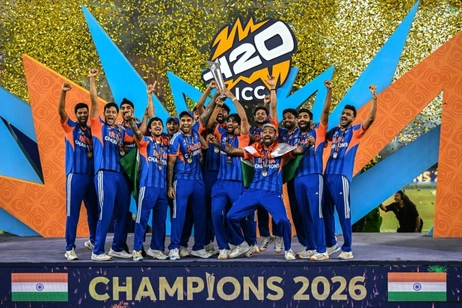
India cricket team 2026 will be one of the biggest discussion points for fans because Indian cricket is entering another important phase. The team has to balance senior experience, young talent, workload management, captaincy planning, format-specific squads, and pressure from major international tournaments.
This detailed guide explains the most important updates fans should watch in 2026. It covers batting depth, bowling options, spin balance, all-rounders, fielding standards, domestic performers, leadership questions, and preparation strategy. The aim is to give a clear cricket analysis, not repeated generic lines.
India cricket team 2026: Overview
The Indian team has strong depth, but depth also creates selection challenges. Many players perform in the IPL, domestic cricket, India A tours, and international matches. Selectors must decide who fits each format and who can handle pressure at the highest level.
In 2026, India may continue building separate plans for Tests, ODIs, and T20Is. This is necessary because the skill demands are different. A player who is excellent in T20 cricket may need more time to prove Test-match patience. A strong ODI player may not automatically fit the fastest T20 role.
The biggest task for the management will be clarity. Players need to know their roles. Fans may debate names, but successful teams are built on role definition, fitness, trust, and preparation.
Why India cricket team 2026 matters
India cricket team 2026 matters because the decisions made now can shape the next several years. India has a large talent pool, but international cricket rewards settled combinations. Constant changes can create confusion even when talent is available.
Another reason is workload. Indian players are involved in international cricket, IPL, domestic commitments, travel, training camps, and media pressure. Managing fast bowlers and all-format players will be essential.
Fans should also remember that modern cricket is not only about star names. Data analysis, matchups, fielding fitness, left-right combinations, bowling phases, and mental strength all influence selection.
10 powerful updates for India cricket team 2026
1. Format-specific squads may become stronger
India may use more specialised squads for Tests, ODIs, and T20Is. This can keep players fresh and allow specialists to grow. Test cricket needs technique and patience, while T20 cricket needs quick decision-making and fearless execution.
Format-specific planning can also reduce injuries. A player does not need to play every match in every format if another specialist is ready for that role.
2. Young batters will face bigger opportunities
The next phase of Indian batting may include more young players from domestic cricket and the IPL. Some will be tested as openers, some in the middle order, and some as finishers.
Talent alone will not be enough. Young batters must show temperament, strike rotation, boundary options, and the ability to play quality pace and spin under pressure.
3. Fast bowling depth will remain crucial
Fast bowling is one of India’s biggest strengths, but it also needs careful management. A long season can put pressure on frontline pacers. Backup bowlers must be ready before injuries happen.
Selectors may track pace, accuracy, fitness, ability with the old ball, and performance in away conditions. Bowlers who can adapt to different pitches will be especially valuable.
4. Spin balance will decide many matches
India has always valued spin, but the role of spinners is changing. In Tests, spinners must bowl long spells and create pressure. In T20 cricket, they need defensive skills, variations, and courage in the middle overs.
The team may look for spinners who can also bat. Lower-order runs often decide close matches, especially in tournaments.
5. All-rounders will be protected carefully
All-rounders are rare and extremely important. They give balance to the XI and allow captains more tactical choices. However, all-rounders also face higher physical workload because they contribute in more than one department.
In 2026, India may manage all-rounders carefully through rest, rotation, and role clarity. A fit all-rounder can change the structure of the team.
6. Fielding standards will stay non-negotiable
Modern cricket leaves little room for weak fielding. Saving 10 runs can be as important as scoring 30. Direct hits, boundary saves, catching under lights, and fast movement in the ring matter in every format.
Young players entering the Indian team will have to meet high fielding standards. Fitness tests and fielding drills are likely to remain important selection signals.
7. Captaincy planning will be closely watched
Leadership will be a major talking point for India cricket team 2026. Different formats may need different leadership styles. A Test captain needs patience and tactical depth. A T20 captain needs quick reading of matchups and bold bowling changes.
The leadership group will also matter. Vice-captains, senior players, wicketkeepers, and bowlers often support decisions on the field.
8. Domestic cricket performance will gain value
IPL performances attract attention, but domestic red-ball and List A cricket remain important. Players who score consistently in Ranji Trophy, Duleep Trophy, Vijay Hazare Trophy, and India A matches show readiness beyond short-format highlights.
Selectors may reward players who perform across conditions and against strong attacks. Consistency over one full season can be more meaningful than one viral innings.
9. Left-right combinations may influence selection
Team balance is not only about averages. A left-right batting combination can disturb bowlers’ rhythm. A left-arm seamer or wrist-spinner can create different angles. These tactical details may influence close selection calls.
India may look for variety without compromising quality. Variety is useful only when the player is good enough for international pressure.
10. Tournament preparation will become more detailed
Major tournaments require planning months in advance. India may identify a core group early, test backups, simulate pressure situations, and prepare for specific venues.
Fans should watch warm-up matches, squad rotation, batting positions, death bowling options, and powerplay strategy. These clues often reveal the team’s tournament thinking.
Format-wise planning for India cricket team 2026
In Test cricket, India needs openers who can survive the new ball, middle-order batters who can build long innings, bowlers who can take 20 wickets, and close catchers who stay sharp all day. Patience matters more than instant scoring.
In ODIs, the team needs batting tempo, middle-over control, wicket-taking bowlers, and finishers who can handle the final 10 overs. ODI cricket rewards balance between caution and aggression.
In T20Is, roles are more specific. Powerplay hitters, middle-over spin hitters, finishers, new-ball bowlers, death specialists, and flexible all-rounders are all needed. A good T20 team is built like a puzzle.
Young players to watch
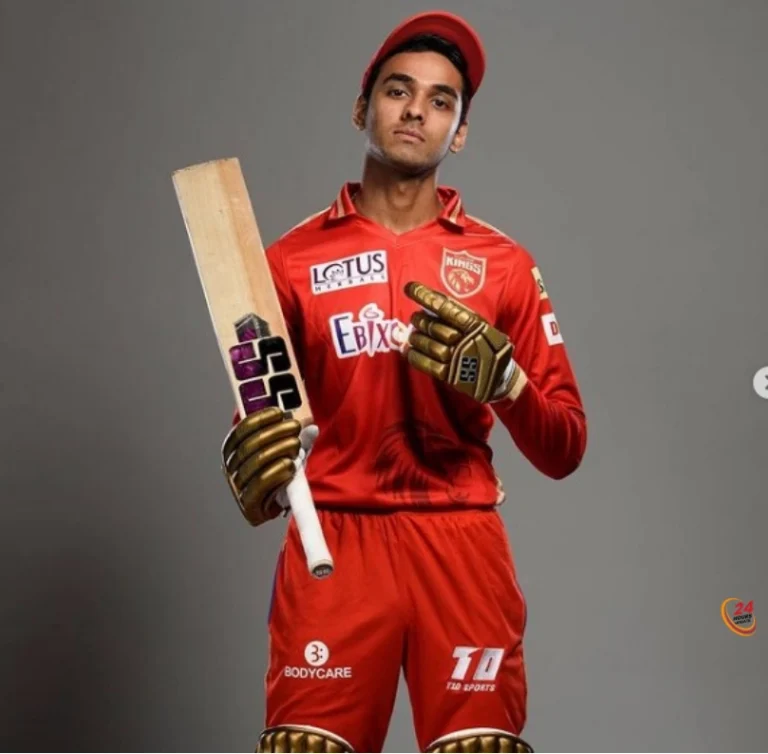
Young players will be central to India cricket team 2026. Fans should watch batters who can score quickly without losing shape, bowlers who can execute plans under pressure, and all-rounders who can contribute in at least two departments.
India A tours may become important for testing young talent outside the spotlight. These tours show how players adjust to travel, different pitches, and stronger opposition.
Wicketkeeper-batters are another key area. A keeper who can bat in the top six gives the team flexibility. However, keeping quality cannot be ignored, especially in Tests.
Fitness and workload management
Workload management is not about resting players randomly. It is about planning training, matches, recovery, travel, and injury prevention. Fast bowlers need special care because high-speed bowling puts stress on the body.
Batters also need workload planning. Long tours, back-to-back formats, and constant pressure can affect form. Mental freshness is as important as physical fitness.
The best teams use rotation without weakening standards. This means backups must be prepared early, not selected suddenly during a crisis.
What fans should track in 2026
Fans should track more than scores. Watch batting positions, bowling phases, fielding roles, and how players respond after failure. A player’s second chance often tells more than the first performance.
Also follow domestic cricket. Many future India players build their case away from prime-time television. A strong Ranji season or India A performance can become the first step toward national selection.
Finally, avoid judging players only through social media clips. Cricket careers are built over time. Form, fitness, confidence, and role clarity all change during a season.
Selection pressure and media noise
Selection pressure around Indian cricket is always high. Every squad announcement creates debate on television, social media, and fan forums. Some debates are useful, but many reactions are emotional. The selectors and team management have to look beyond popularity and judge whether a player fits a specific role.
A batter may have a strong fan base but still not fit the required position. A bowler may be excellent in the IPL but need more red-ball experience. A young player may look ready, but the team may want to protect him from early pressure. These decisions can frustrate fans, yet they are part of long-term planning.
Media attention can also affect players. A good innings can create instant hype, while one failure can invite harsh criticism. The best teams protect players from extreme reactions and give them clear communication about expectations.
Away tours and condition challenges
India cricket team 2026 will also be judged by how players perform outside familiar conditions. Away tours test technique, patience, fitness, and adaptability. Seam movement, bounce, cold weather, larger boundaries, and different ball behaviour can challenge even experienced players.
For batters, leaving the ball well and respecting conditions matter in Tests. For bowlers, controlling length is critical. Spinners must learn how to stay useful when pitches do not offer sharp turn. Fielders must adjust to wind, light, and ground size.
A strong away performance builds confidence before major tournaments. It also helps selectors identify players who can handle pressure beyond home advantage.
Data analysis in India cricket team 2026
Modern cricket uses data more seriously than before. Analysts study batter scoring zones, bowler matchups, pitch maps, field placements, and phase-by-phase performance. Captains still need instinct, but data can support better decisions.
In T20 cricket, data may decide which bowler bowls to a specific batter. In ODIs, it can help plan middle-over attacks. In Tests, analysts can identify patterns over long spells. The challenge is using data without making cricket mechanical.
Players who understand their own data can improve faster. A batter can work on dot-ball percentage. A bowler can improve economy in one phase. A fielder can focus on catching positions where mistakes happen often.
Mental strength and dressing room culture
Talent gets a player into the Indian team, but mental strength helps him stay there. International cricket brings travel, criticism, injuries, selection uncertainty, and high expectations. Players need support systems and a strong dressing room culture.
A healthy team environment allows players to speak honestly, learn from failure, and support each other. Senior players can guide juniors by sharing experience about pressure situations. Coaches can help by giving clear roles instead of confusing messages.
Fans often see only match day. Behind the scenes, confidence, recovery, team meetings, and preparation decide a lot. The mental side of India cricket team 2026 will be as important as technical skill.
Domestic pathway and India A importance
The domestic pathway remains the backbone of Indian cricket. Ranji Trophy tests patience and technique. Vijay Hazare Trophy shows one-day skills. Syed Mushtaq Ali Trophy reveals T20 ability. India A tours bridge the gap between domestic cricket and international cricket.
Selectors should value players who perform across seasons, not only in one tournament. Consistent domestic performers bring hunger and match experience. They also understand long innings, pressure spells, and different pitch conditions.
India A cricket is especially valuable because it exposes players to stronger opposition and touring conditions. A successful India A player often arrives better prepared for international cricket.
Fan checklist for India cricket team 2026
Fans can enjoy the season more by watching specific signals instead of reacting only to results. Check whether openers are giving stable starts, whether middle-order players are handling spin, and whether finishers are converting close matches. These details reveal team health better than one scorecard.
Also watch bowling roles. Who bowls in the powerplay? Who controls the middle overs? Who is trusted at the death? A good bowling unit has clear responsibilities, not only famous names.
Fielding is another signal. Dropped catches, slow movement, and poor throwing can damage big matches. A sharp fielding unit shows that the team is physically and mentally switched on.
Road ahead for India cricket team 2026
The road ahead will require patience from fans and courage from selectors. Not every experiment will succeed. Some players may need time, and some combinations may fail before the best XI becomes clear.
The team should aim for flexibility without chaos. A settled core is important, but backup players must also get meaningful chances. Giving a player one match and dropping him immediately rarely creates confidence.
If India manages talent carefully, protects key players, rewards domestic performance, and builds format-specific plans, 2026 can become an important year in the team’s development.
Useful links
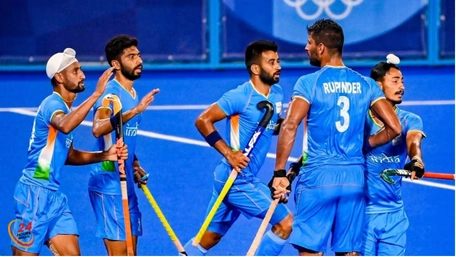
For official cricket information, readers can visit the BCCI and the International Cricket Council. For related reading on this site, see Utkarsh Singh’s cricket journey and Indian hockey team camp updates.
FAQs on India cricket team 2026
What is the biggest focus for India cricket team 2026?
The biggest focus is building balanced squads for different formats while managing workload, young talent, leadership, and tournament preparation.
Will young players get chances in India cricket team 2026?
Yes. Young players are likely to get opportunities, especially if they perform consistently in domestic cricket, IPL, India A matches, and limited international chances.
Why is workload management important for India cricket team 2026?
Workload management is important because players face long seasons, travel, multiple formats, and injury risk. Smart rotation keeps the team stronger for major tournaments.
How should fans judge selection decisions?
Fans should look at role fit, recent form, fitness, format needs, and team balance rather than judging selection only by popularity or one performance.
Final view before the season
India has enough talent to build a strong team, but talent must be supported by planning. The best results will come when selection, workload, leadership, and player confidence move in the same direction.
Supporters should expect changes, but they should also look for purpose behind those changes. A team that experiments with clarity can become stronger before important matches arrive.
For young players, 2026 can be a door to long careers. For senior players, it can be a chance to guide transition. For fans, it can be a season full of debate, hope, and memorable cricket.
Conclusion: India cricket team 2026
India cricket team 2026 will be shaped by clarity, fitness, leadership, and the ability to use a deep talent pool wisely. The team has options in every department, but options must become a settled plan.
For fans, 2026 will be exciting because new players, tactical changes, and format-specific strategies may define the next chapter of Indian cricket. The smartest analysis will look beyond names and focus on roles, preparation, and performance under pressure.